Book Gifts for Clients: 11 Picks They'll Keep Long After the Tumbler
Your logo will be forgotten. Your handwriting won't.
By Margot Ellery·Updated

Good book gifts for clients beat almost every other client gift on one test: a year later, is the thing still on their desk? A branded tumbler goes into the cabinet with the other 6. A book with your handwriting inside the cover goes on the shelf, and every time they see the spine, they see your name.
The right book is chosen for one person. So this guide sorts 11 picks by client type: founders and executives, creative clients, the client who has everything, and the relationship you want to repair or deepen. Most work as client gifts for Christmas, and all of them work as a thank-you in March.
Each can be sent with your note handwritten in fountain-pen ink inside the front cover, boxed, with no receipt or price inside. Below the picks: what to write, what to spend, and the IRS rule on deducting business gifts.
Why a book beats corporate holiday gifts with a logo
Most corporate holiday gifts are chosen to be safe for 300 people, which means they're built for nobody in particular. A book is the opposite. Picking one means you thought about one person: what they read, what they're building, what they said over dinner in October.
It also passes the hard tests for client gift ideas. It's useful but not consumed in a week, personal but not intimate, and it can't be regifted to the intern without someone noticing the inscription. A paperback with a handwritten note keeps most client gifts under $50, and a hardcover usually isn't far over.
If you're sending to more than a handful of people, our corporate book gifting service takes a spreadsheet of names and addresses and handles the list, the notes, and one invoice.
Client gifts for founders and executives
Executives get the most gifts and keep the fewest. Choose a book with a strong story and a point of view they can argue with. More ideas in our books for the founder collection.
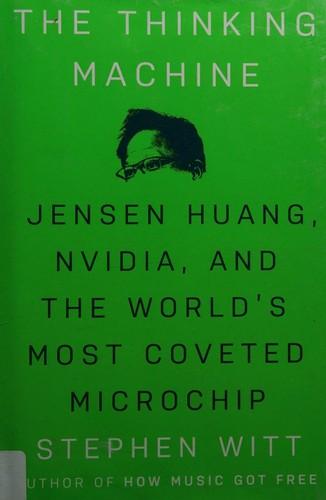
The Thinking Machine by Stephen Witt
Stephen Witt's 2025 book follows Jensen Huang and Nvidia from a booth at Denny's, where the company was founded, to June 2024, when it became the most valuable corporation in the world. Witt interviewed Huang, his engineers, and his investors, and the book is about a long, stubborn bet on AI as much as it's about chips. It won the 2025 FT and Schroders Business Book of the Year. A safe pick for any CEO who likes company stories more than frameworks.
For the person who placed the early bet on us. Witt's chapter on the lean years reminded me of 2023. Thank you for staying the course. — Rachel, Northside Partners
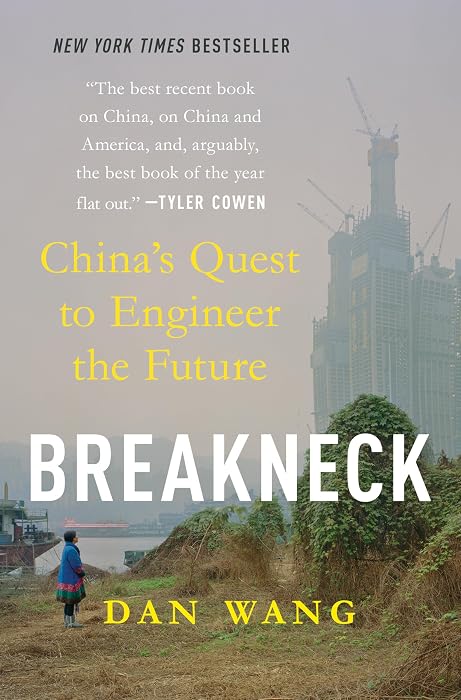
Breakneck by Dan Wang
Dan Wang, who spent years in China as a technology analyst, argues that China is run by engineers and America by lawyers, then follows that idea through high-speed rail, factory towns, and the costs of the one-child policy and zero-COVID. It came out in 2025 and gave a lot of people a phrase they now use in meetings. Good for clients in manufacturing, infrastructure, energy, logistics, or policy, who will have opinions about it.
You're the only client who'd read this and then call me to argue. Looking forward to that call. Happy holidays. — Tom
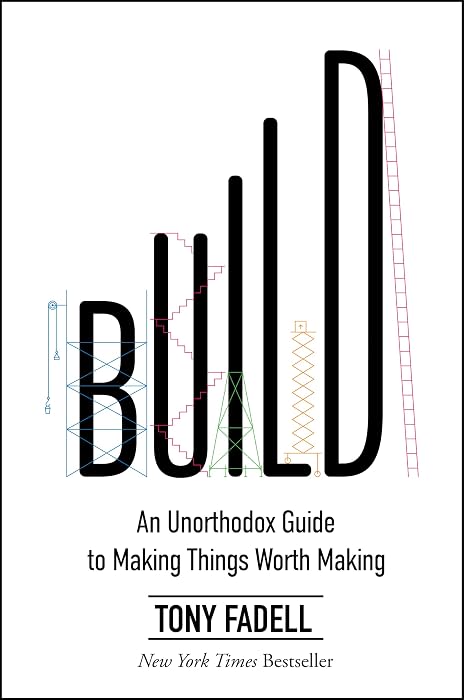
Build by Tony Fadell
Tony Fadell helped create the iPod and iPhone and then founded Nest. Build is his advice book, organized as short chapters on what he learned: how to make a product people love, when to quit a job, how to handle a board, how to hire, how to tell the story before the product exists. It reads like a long dinner with a mentor who has seen every failure mode. For a founder client, it says you understand what they're carrying.
Fadell has a chapter on the board meeting where everything goes wrong. You handled yours better than he did. Proud to be on your side of the table. — Alicia
Thank you gifts for creative clients
Creative clients (agencies, studios, designers, writers) can smell a generic gift from across town. A book about the craft tells them you've noticed how they work.
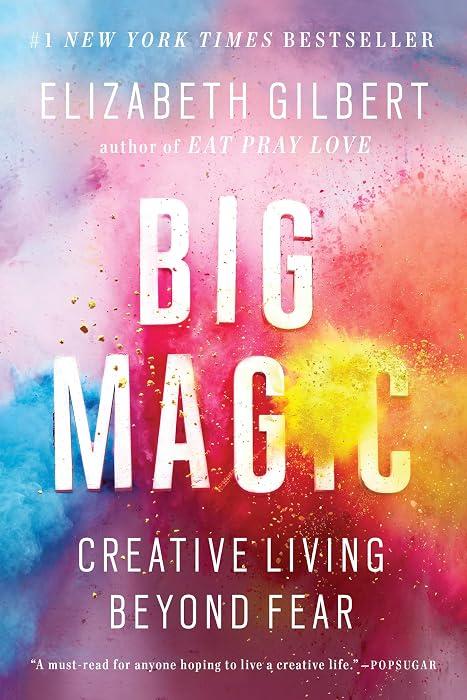
Big Magic by Elizabeth Gilbert
Elizabeth Gilbert's book treats ideas as things that go looking for a collaborator, and if you don't act on one, it moves on to someone else (she tells how a novel idea she abandoned seemed to turn up in Ann Patchett's work). The rest is about fear, permission, and finishing. It's encouraging without being soft, which suits a creative director at the end of a long year of client feedback, much of it from you.
We sent you a lot of notes this year. Here's one with nothing to revise. Thank you for making our work better than our brief. — Hannah at Fieldwork
Draft No. 4 by John McPhee
John McPhee has written for The New Yorker since the 1960s, and these 8 essays are about how: building structure before writing (with his diagrams), working with editors, the fact-checkers who saved him, and the endless drafts. The title is the stage where, he says, the real writing happens. For a copywriter, editor, or content lead, it's a book about their job written by someone who did it beautifully for 60 years.
McPhee says draft 4 is where it gets good. Every draft you sent us was already there. Thank you for a year of sharp sentences. — Chris
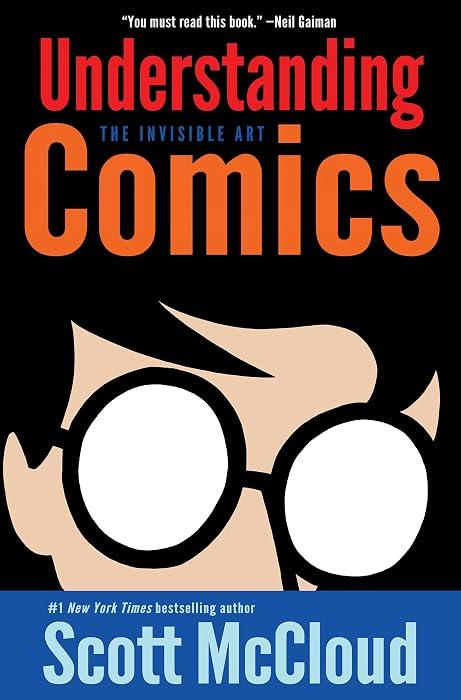
Understanding Comics by Scott McCloud
Scott McCloud wrote a book about how comics work in the form of a comic, and it became a standard text for anyone who thinks visually. He explains how readers fill the gap between 2 panels (he calls it closure), why simple faces feel more universal, and how time moves on a page. Designers, illustrators, and UX people love it. It's an unexpected gift that shows real thought.
You taught our team that the white space is doing work too. McCloud agrees, in panel form. Thanks for a great year of drawings. — The Brightline product team
Client gift ideas for the client who has everything
For the client who can buy anything, give them a few hours of pleasure. Skip business books entirely.

Awe: The New Science of Everyday Wonder and How It Can Transform Your Life by Dacher Keltner
Dacher Keltner, a Berkeley psychologist, spent years studying the feeling of being in the presence of something vast, and this book lays out the 8 wonders that most often produce it, from nature and music to moral beauty and collective effervescence (the feeling of a crowd moving together). It mixes research with his own grief after his brother's death. For a client with every gadget, it gives them something money doesn't buy.
You've seen half the world on our project trips. This one's about why the other half still matters. Wishing you a quiet, wonder-filled holiday. — Daniel
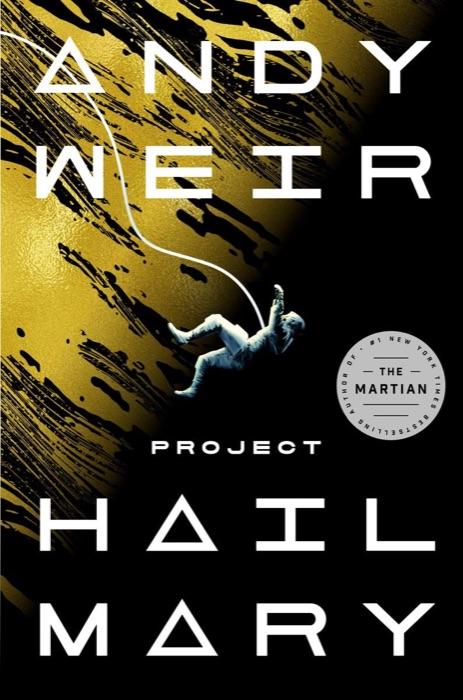
Project Hail Mary by Andy Weir
Andy Weir's novel starts with a man waking alone on a spaceship with no memory, and turns into a funny, propulsive story about a science teacher solving one problem after another. It's a novel people finish in 2 sittings and then press on a friend. Fiction is underrated as a client gift: it says you hope they have a good weekend.
No business lessons in here. Just the best book I read this year, for the best client I worked with. Enjoy the time off. — Marisa
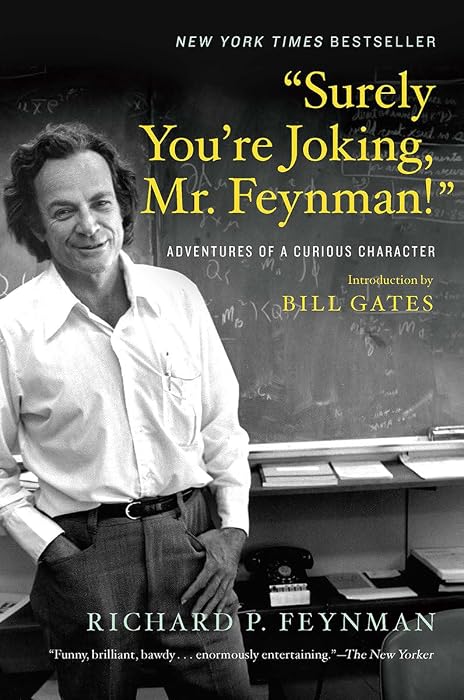
Surely You're Joking, Mr. Feynman! by Richard P. Feynman
Richard Feynman's stories, as told to Ralph Leighton, include cracking safes at Los Alamos, playing in a samba band in Brazil, and learning to draw in his 40s. It's a Nobel physicist's memoir about curiosity and mischief, and it's very funny. A good pick for the engineer client, the analyst who asks one more question, or anyone who has already read every business book on the list.
For the person who always asks one more question in the readout. Feynman would have liked you. Happy new year. — Owen
For a client relationship you want to repair or deepen
Sometimes the gift has a job: to say sorry after a rough project, or to turn a good account into a real relationship. Choose a book about people, and let the note carry the message.
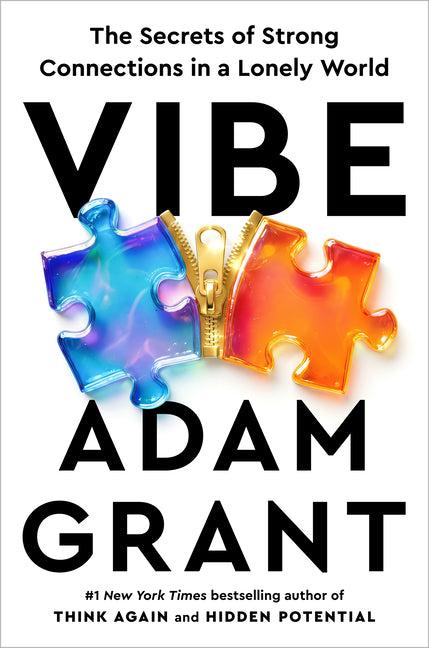
Vibe by Adam Grant
Adam Grant's October 2026 book sorts relationships into 4 kinds: associates (transactional ties), allies (shared purpose), pals (shared fun), and companions (care), and argues that most friction comes from 2 people expecting different kinds. He draws on stories that include 3 astronauts living together in space and Metallica working with a psychologist to stay a band. Sent to a client, it says: I'd like us to be allies, not associates.
Grant would call us associates. After 3 years, I'd like to think we're allies. Thanks for trusting us with the hard projects. Lunch in January? — Nora
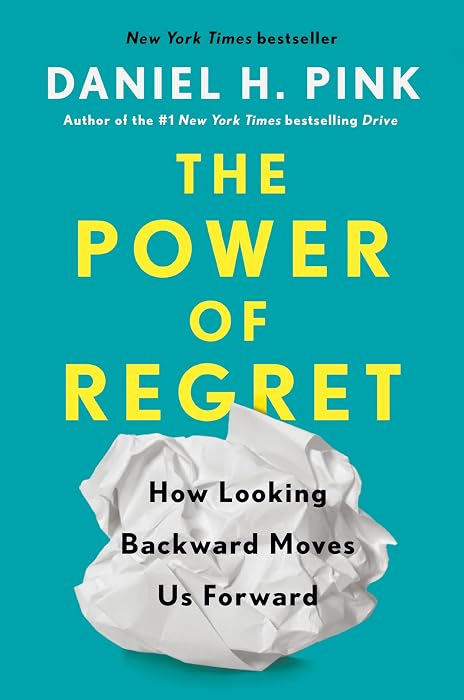
The Power of Regret by Daniel H. Pink
Daniel Pink collected regrets from more than 16,000 people in 105 countries and found they fall into 4 groups: foundation, boldness, moral, and connection regrets. The connection chapter is about the call you didn't make, which is a graceful thing to hand a client after a project that went sideways. Paired with an honest note, it says you'd rather fix things than let them drift.
Q3 wasn't our best work, and I've been meaning to say so properly. Pink says the calls we don't make are what we regret. This is me making it. — Greg
What to write in a book for a client
A client note has one job: prove a person sent this. Name something only you two know. The project, the late call, the decision they made that you admired. Then say thank you and stop.
A simple structure for 30 to 50 words:
1. The specific moment ("the launch in April," "when you pushed back on the timeline"). 2. Why the book made you think of them. 3. One forward-looking line, and your first name.
"You pushed back on the timeline in June and you were right. This book is about people who bet early and stay stubborn. Thanks for a great year. See you in Q1."
What to avoid: your company name in the note (it's already on the invoice), any mention of renewals or next year's budget, and anything that would read badly if their CFO saw it. Sign it yourself, even if the gift went out to 40 clients.
For a repair, be brief and direct. One sentence owning the problem beats a paragraph explaining it: "March was on us. Thank you for sticking around."
Book & a Note handwrites up to 60 words inside the front cover in real fountain-pen ink and ships the book boxed with no receipt or price inside. If you're writing 40 different notes, our corporate gifting team will collect them from a spreadsheet.
Questions people ask
What are good client gifts for Christmas?
Good client gifts for Christmas are personal, easy to keep, and free of your logo. A book chosen for the person, with a handwritten note inside, does all three. For a tech executive, try The Thinking Machine. For a client who has everything, Project Hail Mary. For a relationship you want to deepen, Adam Grant's Vibe. More picks in our busy executive collection.
How much should you spend on a client gift?
Most client gifts land between $25 and $100, scaled to the relationship rather than the account size. Spending too much can look like an inducement, and some companies cap what their staff can accept. A hardcover with a handwritten note fits inside that range and reads as thoughtful rather than lavish.
Are client gifts tax deductible?
Partly. Under IRC section 274(b), US businesses can deduct no more than $25 per recipient per year for business gifts, according to IRS Publication 463. Incidental costs such as packaging, insuring, and mailing generally don't count toward that $25. A gift to a client's company meant for one person counts as a gift to that person. This is general information, not tax advice. Ask your accountant.
Is a book a good gift for a client?
Yes, when you pick it for the person. A book is personal without being intimate, lasts longer than food or a gadget, and shows you paid attention to what they care about. The risk is a generic business bestseller sent to everyone. Choose by client type, and add a note that names something specific to your work together.
Can I send book gifts to my whole client list?
Yes. For a single client, order any book from the shop and it ships free and tracked in 3 to 5 business days. For a list, our corporate gifting service takes a spreadsheet of names and addresses, builds a shortlist of titles, writes each note by hand, and sends one invoice. Plan on 2 to 3 weeks from an approved list.