
Books for New Managers: What to Read (and Give) in the First 90 Days
For the one who was great at the job, and just got handed a different one.
By Margot Ellery·Updated

The best books for new managers answer the questions that show up in the first month: what to do in a one-on-one, how to give feedback without wrecking a working friendship, and how to lead people who were your peers last Friday. This list has 11 of them, grouped by the problem they solve, including 3 published in 2025 and 2026. Most are short enough to finish inside the first 90 days, which is the point.
If you're buying for a newly promoted colleague, pick one book. A first-time manager is already buried in advice, and a stack reads like homework. The section near the end covers which book suits which kind of new manager, and the note advice below covers what to write inside the cover. Book & a Note sends the book with your note handwritten in fountain-pen ink, so the first page they read is yours.
Books for new managers to read in the first 90 days
Start here. These three are about the transition itself: what changes, what to do first, and what to stop doing.
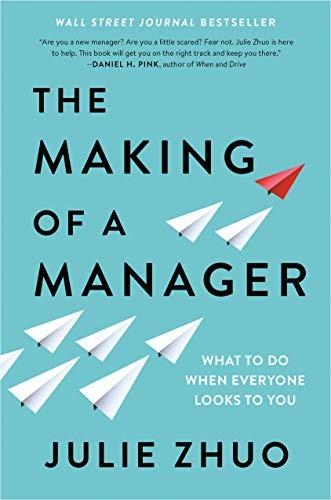
The Making of a Manager by Julie Zhuo
Zhuo was promoted to manager at 25 at Facebook, and this is the book she wished someone had handed her. It's plain and practical. She defines the job as getting better outcomes from a group of people working together, then walks through what that means week to week: running a one-on-one, giving feedback that's specific enough to use, holding meetings people don't dread, and hiring well. The short chapters and simple drawings make it easy to read in pieces. If you're buying one book for a newly promoted colleague, this is the safest choice. Portfolio, 2019, hardcover.
You were the person everyone asked for help before it was your job. Now it's your job. You're going to be good at it. — Nadia, from design
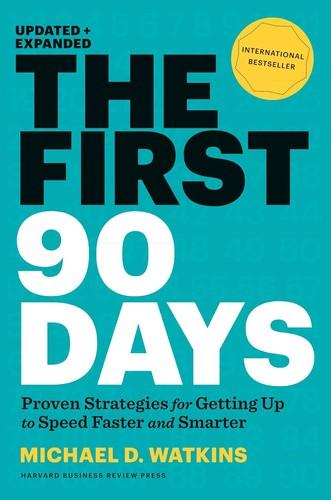
The First 90 Days, Updated and Expanded by Michael D. Watkins
Watkins wrote the standard handbook for career transitions, and the updated and expanded edition (Harvard Business Review Press, 2013) is still the one HR departments hand out. It's organized around reaching the breakeven point, where a new leader adds as much value as they consume, as quickly as possible. His STARS model helps you name the situation you inherited: a start-up, turnaround, accelerated growth, realignment, or sustaining success. The chapters on securing early wins and building alliances are direct. It's written for any new role, so it fits a manager hired from outside as well as one promoted from within.
Day 1 of 90. Read the first chapter tonight, then put the book down for a week and just listen. Proud of you. — Your old manager, Teresa
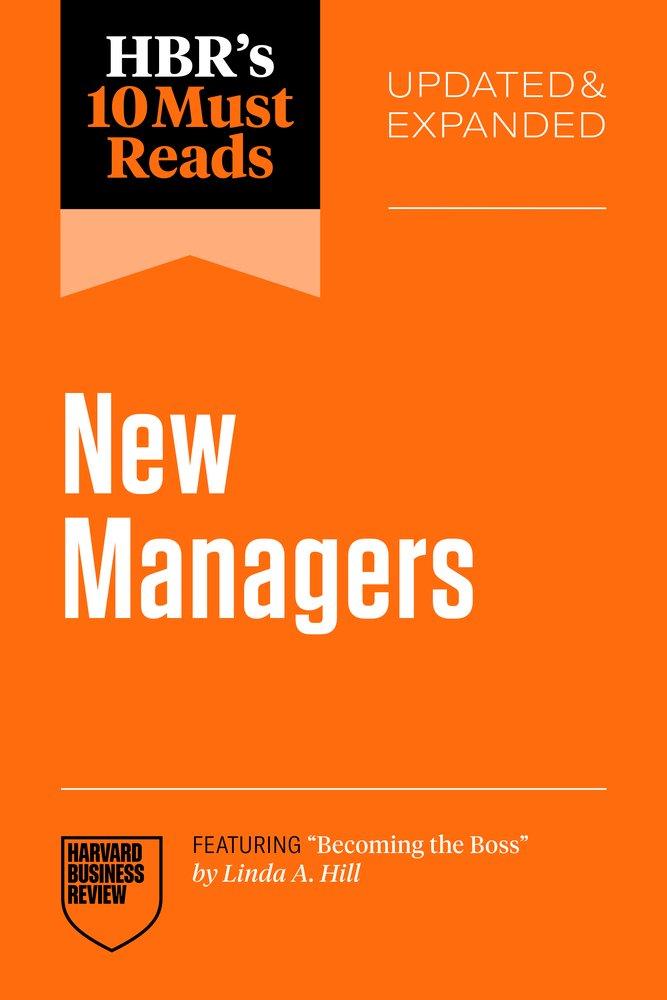
HBR's 10 Must Reads for New Managers, Updated and Expanded by Harvard Business Review
Harvard Business Review Press reissued this collection in March 2026, updated and expanded, and it's built around Linda A. Hill's classic article "Becoming the Boss," about the gap between what new managers expect and what the job turns out to be. The rest is a mix of current and classic HBR articles, shorter pieces, and a discussion guide, which makes it a good fit for a cohort of new managers or for someone who wants to talk the ideas through with a mentor. It's a paperback anthology, so it reads in 20-minute pieces between meetings.
Hill's article is the one that got me through my first year. Read it, then let's get coffee and compare notes. — Your mentor, Grace
Best books for new managers on one-on-ones and the weekly rhythm
The one-on-one is the meeting new managers most often get wrong, usually by turning it into a status update. These three fix that.
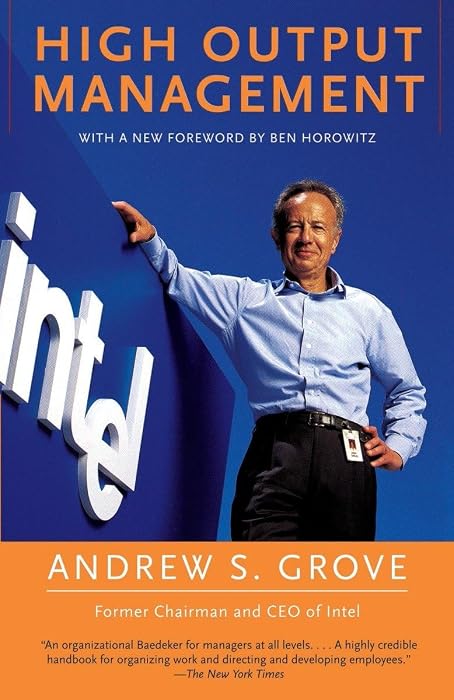
High Output Management by Andrew S. Grove
Grove ran Intel, and his chapter on one-on-ones is still the best short guide to the meeting. His rule is that it belongs to the employee: they bring the agenda, and the manager listens, asks questions, and learns what is actually going on. Beyond that, the book teaches the shift every new manager has to make, from doing the work to multiplying it, through his idea that a manager's output is the output of their team. It's dense in places, so point a new manager at the chapters on one-on-ones and meetings first.
Grove says the one-on-one is their meeting, not yours. It took me 3 years to learn that. You get it in 1 chapter. — Ben
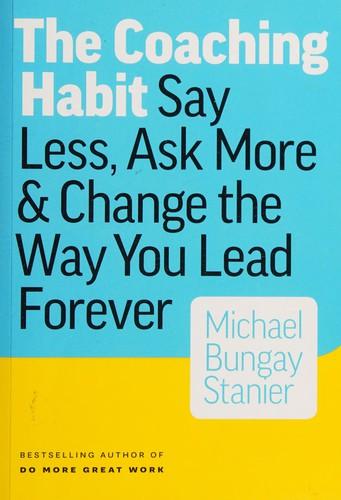
The Coaching Habit by Michael Bungay Stanier
Bungay Stanier's short book (Page Two, 2016) gives a new manager 7 questions to use in place of the urge to give advice. The first, which he calls the Kickstart Question, is "What's on your mind?" The one most readers keep is "And what else?" Each question gets a brief chapter on why it works and how to ask it without sounding scripted. It's the fastest fix for a one-on-one that keeps turning into a lecture. Give it to the new manager who was promoted for being the best at the job and now solves every problem for the team.
Your new superpower is asking "And what else?" and then waiting. Try it on Monday and tell me what happens. — Leah
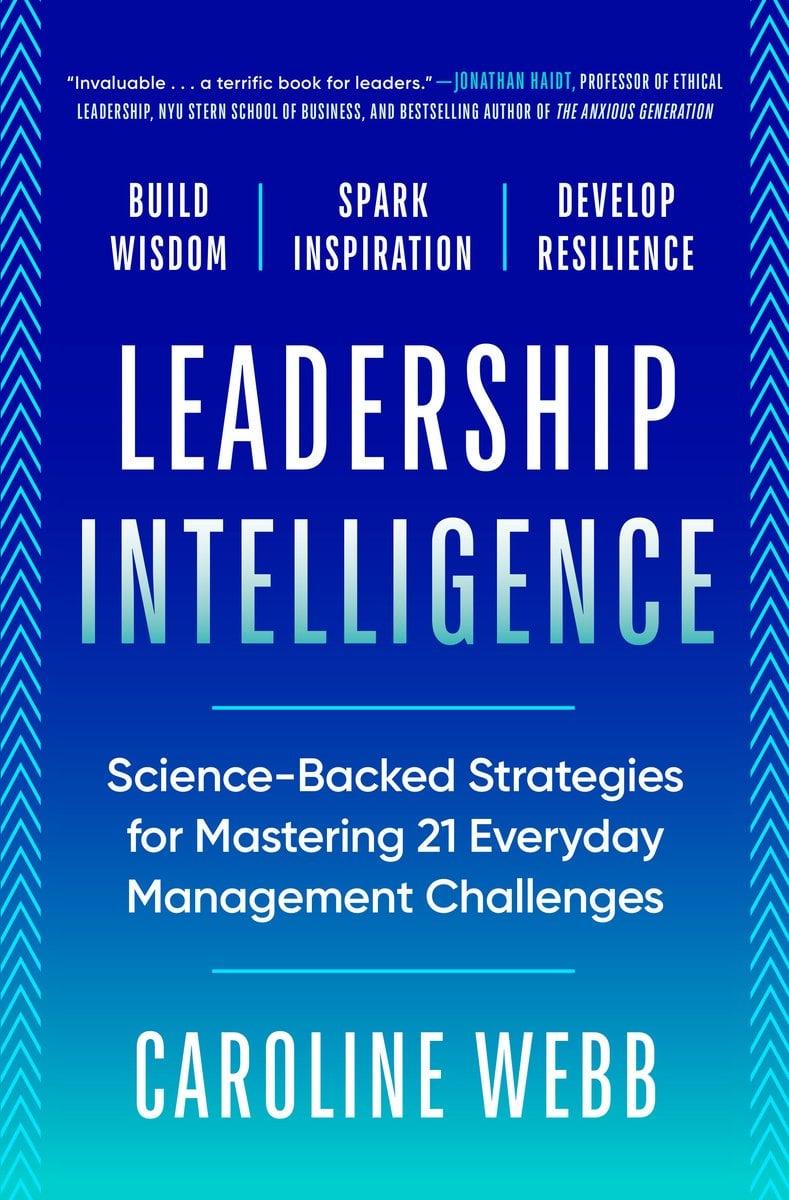
Leadership Intelligence by Caroline Webb
Webb's September 2026 book (Crown Currency) is organized around 21 everyday management problems, each with a research-based approach and stories from senior leaders. Hard tradeoffs, getting a team to work together, leading through uncertainty, and giving feedback people act on are all covered, grouped under 3 strengths: making wise choices, getting people's best work, and staying resilient. A new manager doesn't need to read it in order. They can open it the night before the conversation they're dreading. Webb is an economist and former McKinsey partner, and the frameworks are tidy enough to remember.
For the night before a hard conversation. Find the right chapter, read it, then get some sleep. You've got this. — Omar
Leadership books for new managers on feedback and hard conversations
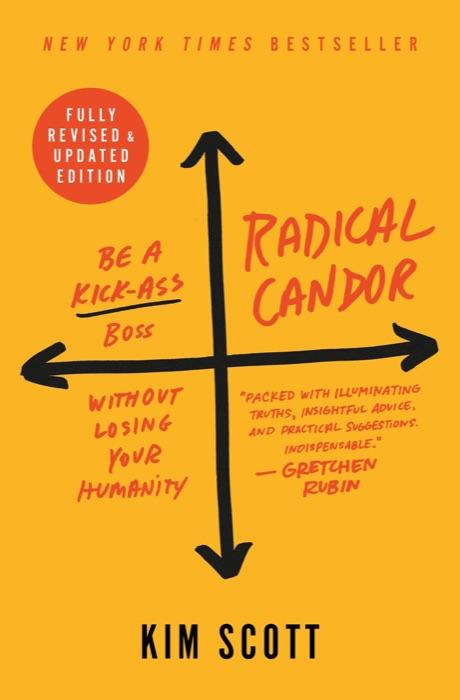
Radical Candor by Kim Scott
Scott's framework is the most useful picture of feedback a new manager will get: care personally on one axis, challenge directly on the other. Skip the caring and you're obnoxiously aggressive. Skip the challenge and you land in what she calls ruinous empathy, which is where most new managers who were well liked as peers end up. The fully revised 2019 edition (St. Martin's Press) adds a new preface, an afterword, and a bonus chapter on performance reviews, which a first-time manager will need by the end of their first cycle.
You're kind, which is your best quality and, as a boss, your biggest risk. This book is about being kind and clear at the same time. — Your sister, Ruth
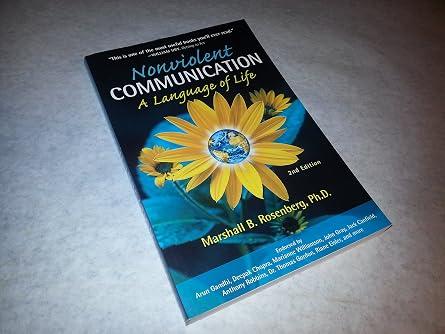
Nonviolent Communication by Marshall B. Rosenberg
Rosenberg's method has 4 steps: describe what you observed without judgment, name the feeling, name the need behind it, and make a specific request. It sounds soft until you use it on a missed deadline: "The report came in Thursday, not Monday. I'm worried, because the client has asked me twice. Can we set a check-in for Wednesday?" For a new manager, it turns a confrontation into a request. It isn't a business book, which is part of why it works, and managers who read it tend to use it at home too.
The best boss I ever had talked exactly like this book. Steal all of it. — Uncle Jim
Books for first time managers leading former peers
Being promoted over your friends is the most common version of the job and the least discussed. These books deal with the new weight of the title.
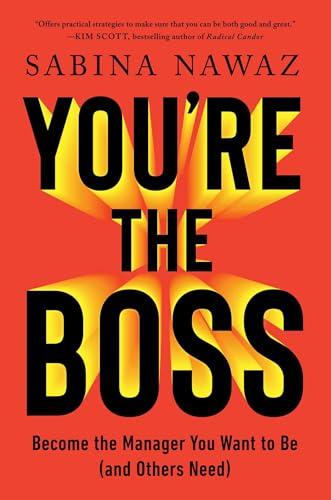
You're the Boss by Sabina Nawaz
Nawaz is an executive coach to C-suite leaders who spent years at Microsoft before that. Her 2025 book (Simon & Schuster) asks why strong individual performers so often turn into difficult bosses, and her answer is that power and pressure change behavior in ways the new boss rarely sees. She lays out an evidence-based framework for spotting those hazards early, without asking you to become a different person. It suits someone managing former peers, because the change in how colleagues treat you after a promotion is exactly the problem it addresses.
Yesterday we were complaining about the boss together. Today you're the boss. This book is how you stay someone we'd complain to. — Kat, still on your team
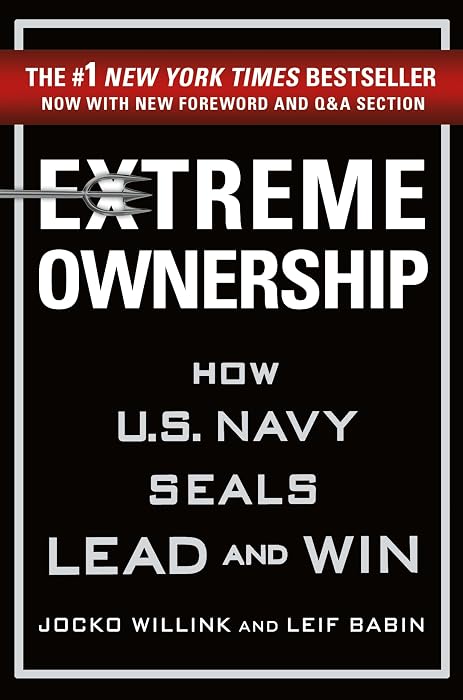
Extreme Ownership by Jocko Willink and Leif Babin
Willink and Babin led a Navy SEAL task unit in Ramadi, and each chapter pairs a combat story with a business case from their consulting work. The chapter that matters most for a new manager is "No Bad Teams, Only Bad Leaders," built on a training exercise where swapping the leaders of 2 boat crews flipped the results. The idea is that the leader owns every outcome, including ones caused by someone else's mistake. It's direct and a little intense. Give it to the new manager who'd rather have clear rules than reassurance.
When it goes wrong, it's yours. When it goes right, it's theirs. That's most of the job. Welcome to it. — Coach Dave
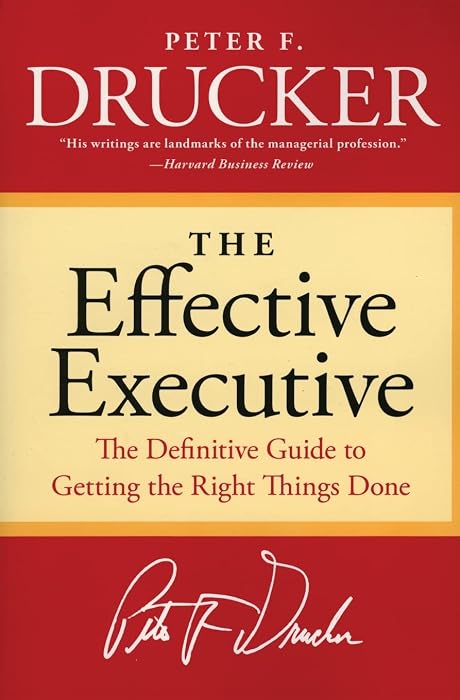
The Effective Executive by Peter F. Drucker
Drucker's 1967 classic is short, and its first lesson is the one new managers resist: before you manage your time, find out where it goes. He asks readers to log their hours for a few weeks, then cut what doesn't need doing. The rest covers asking "What can I contribute?", staffing for strengths, and making a few good decisions instead of many quick ones. A new manager's calendar fills up in about 2 weeks, and this is the book that helps them take it back.
You're about to be invited to everything. Drucker will help you say no to most of it. — Mei
Gift for a new manager: choosing a book for a newly promoted colleague
Match the book to the worry, not the job title. Promoted over their friends: You're the Boss. Hired in from outside: The First 90 Days. Nervous about giving feedback: Radical Candor. Already drowning in meetings: The Coaching Habit for the one-on-ones and The Effective Executive for everything else. Not sure where to start: The Making of a Manager.
Who you are changes the gift. If you're their new boss, say in the note that it isn't an assignment. If you were their peer, a book is a generous way to say you're glad it was them. If you're the mentor who saw it coming, say that. For HR teams or leadership groups welcoming a whole cohort of new managers, our corporate gifting page handles sending the same book to a list, each copy with its own note.
For more senior readers, see the best leadership books of 2026 or books for your boss. Our standing shelf of books for mentors and bosses has more.
What to write in a book for a new manager
New managers are anxious in a specific way: many suspect they got the job by accident and that everyone can tell. The note's job is to say you've seen evidence otherwise.
Start with one concrete thing they did before the promotion that shows they'll be good at this: the intern they coached, the outage they ran calmly, the way they explain things to clients. Then add one sentence on why you picked this book. End with something that takes pressure off ("no need to finish it") or an open door ("call me after your first review cycle").
A few things to avoid. "Congrats on the promotion!" on its own is on every card they'll get this week. Jokes about having gone over to management land badly with someone who's already worried about it. Advice longer than one line turns the note into a lecture. If you were their peer, a little humor helps. If you're their new boss, keep it warm and short so it doesn't read like a development plan.
Lines that work:
"You were the one we all asked before it was your job. Now it's your job."
"The chapter on one-on-ones is the only one you need this month."
"Your team is lucky. I'd know, I used to be on it."
We write your note (up to 60 words) by hand in fountain-pen ink inside the front cover, or print it on a label, and the book arrives boxed with no receipt or price inside.
Questions people ask
What is the best book for new managers?
The best book for most new managers is The Making of a Manager by Julie Zhuo. It was written by someone promoted to manager at 25, and it covers the core of the job in plain language: one-on-ones, feedback, meetings, and hiring. If the new manager was hired in from outside, The First 90 Days by Michael Watkins is the better first read.
What should a first-time manager read first?
A first-time manager should read something about the transition before anything about leadership theory. The Making of a Manager or The First 90 Days comes first, then the one-on-one chapter of Andy Grove's High Output Management. Save the broader leadership books for month 3, once they've had enough one-on-ones and feedback conversations to know which problems are theirs.
How do you manage former peers?
You manage former peers by naming the change early, in a one-on-one with each person, and then being consistent about it. Say what will stay the same and what won't, ask what they need from you, and don't play favorites with old friends. Sabina Nawaz's You're the Boss and Kim Scott's Radical Candor both address this shift directly.
What is a good gift for a new manager?
A good gift for a new manager is one well-chosen book with a short personal note, because it's useful and it says you believe they'll be good at the job. The Making of a Manager, The Coaching Habit, and Radical Candor are reliable picks. Choose by their biggest worry, and skip the stack of 5 books, which reads like homework.
What should I write in a card or book for a new manager?
Write one specific thing you've seen them do that shows they'll be a good manager, one line on why you chose the book, and an open door such as "call me after your first review cycle." Skip generic congratulations and long advice. With Book & a Note, the note goes inside the front cover, handwritten in fountain-pen ink, up to 60 words.