
Books for Grief and Loss, and What to Write Inside
For when you can't be there, and don't know what to say.
By Margot Ellery·Updated

The best books for grief and loss don't try to fix anything. They keep someone company at 3 a.m., they say out loud the things a grieving person thinks are wrong with them, and they are short enough to read in pieces. This list sticks to books that do that, sorted by who died: a parent, a partner, a child. There's also a section for anyone grieving and one for the first weeks, when most people can't read much at all.
A book is sometimes the wrong gift. If the person you're thinking of isn't a reader, or the loss is a day old, a meal or a phone call will do more. And timing matters. A book that arrives 3 or 4 weeks after the funeral, when the casseroles have stopped and everyone else has gone back to normal, often lands more gently than one that arrives in the first days. Whatever you send, the few lines you write inside the cover will matter more than the title.
Books about losing a parent
Losing a parent as an adult is common enough that people expect you to be fine quickly. These books disagree.
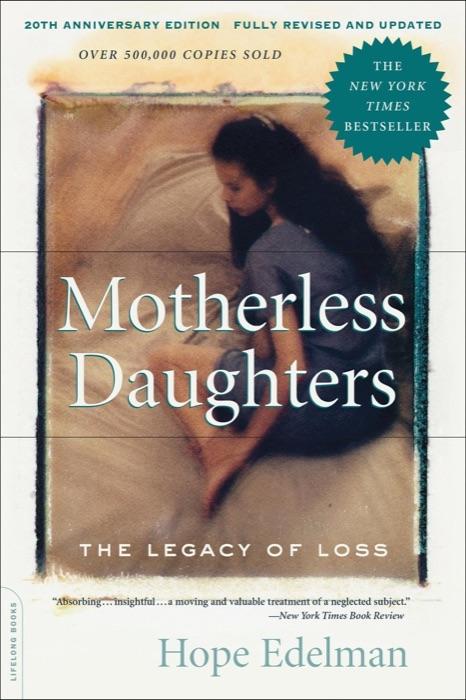
Motherless Daughters by Hope Edelman
Hope Edelman's mother died when she was 17, and this book, first published in 1994 and reissued for its 20th anniversary, grew from interviews with women who lost their mothers young. It is the standard book on the loss of a mother for a reason: it explains why the grief comes back at graduations, weddings, and births, and why a daughter can feel it hardest decades later. Right for a daughter of any age. If the mother died recently and the daughter is older, say in your note that it speaks to her too.
I don't have anything wise to say, only that I think of your mom every time I make her lemon bars. Read this whenever you want. No hurry. — Ellie
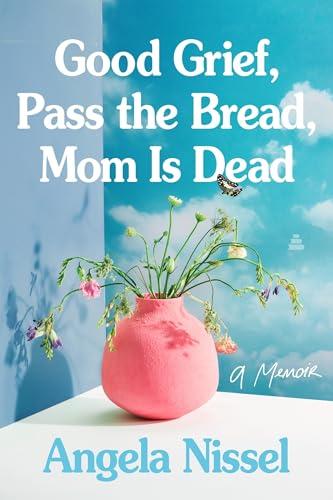
Good Grief, Pass the Bread, Mom Is Dead by Angela Nissel
Angela Nissel, a television writer, moved her terminally ill mother to Los Angeles after a divorce and a career setback, tried alternative remedies and celebrity doctors, and lost her anyway. This April 2026 memoir (Amistad) is about caregiving and the grief after, and it is very funny. Give it only to someone who copes with jokes, probably someone who was a caregiver themselves. For the right reader it's a relief: proof that you can laugh in the hospital hallway and still have loved her completely.
You made me laugh at your mom's bedside and I thought that was terrible of us. This book says it wasn't. I'm still here. Call anytime. — Your cousin Dee
Books for grieving a partner or spouse
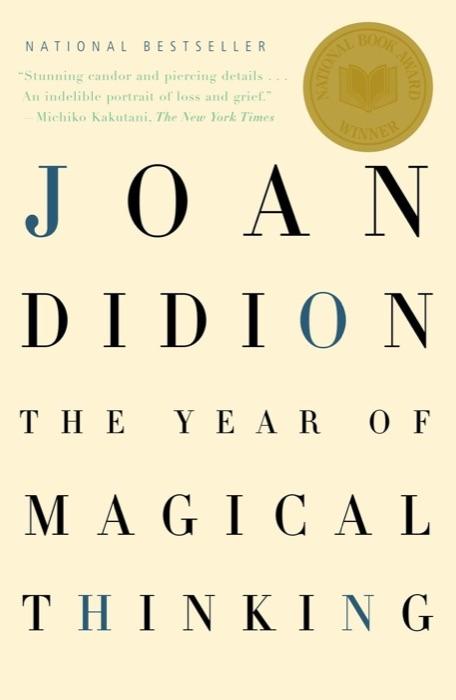
The Year of Magical Thinking by Joan Didion
Joan Didion's husband, John Gregory Dunne, died of a heart attack at their dinner table in December 2003, while their daughter was in intensive care. Her account of the year that followed won the National Book Award. It's famous for its clarity about the irrational parts of grief, like keeping his shoes because he might need them. Better a few months in than in the first weeks. Good for a widow or widower who is a serious reader and wants to be understood more than consoled.
I won't pretend to know what this year is like. Didion comes closer than I can. I'll bring dinner on Thursdays until you tell me to stop. — Margaret
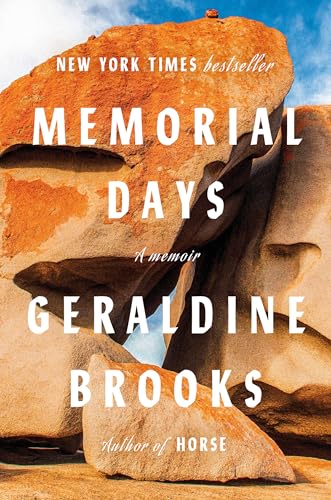
Memorial Days by Geraldine Brooks
In 2019 novelist Geraldine Brooks got a phone call saying her husband, the writer Tony Horwitz, had collapsed and died. She spent the next years handling everything except her grief, then went alone to a remote island off Tasmania to finally feel it. This 2025 memoir (Viking, 224 pages) moves between the island and their life together. Brooks writes plainly about how modern life leaves no room for mourning. A fit for the partner who has been busy with logistics and hasn't had a moment to fall apart.
You've handled every form and phone call since March. When you're ready to stop handling things, this is here. So am I. — Your sister, Kath
When someone has lost a child
Be careful here. Send a book only if you know the parent reads, and only after some time has passed. A short note saying you remember their child by name will matter more than any book.
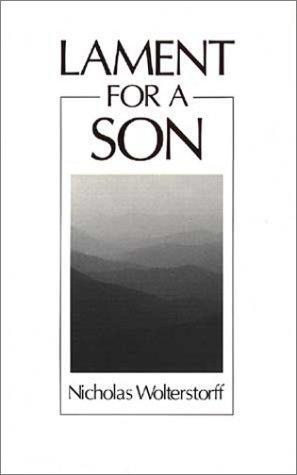
Lament for a Son by Nicholas Wolterstorff
Philosopher Nicholas Wolterstorff's son Eric died at 25 in a mountain-climbing accident in 1983. This short book, about 110 pages of brief entries, is what he wrote in the year after. It doesn't argue or explain, and it's honest about how the comfort people offered often hurt. Wolterstorff is a Christian and wrestles with God openly, so it suits a parent with faith, or one whose faith has been shaken.
I think about Eric every time I hear his song. I'm not going to stop saying his name. Whenever you want company, I'm here. — Tom and Lisa
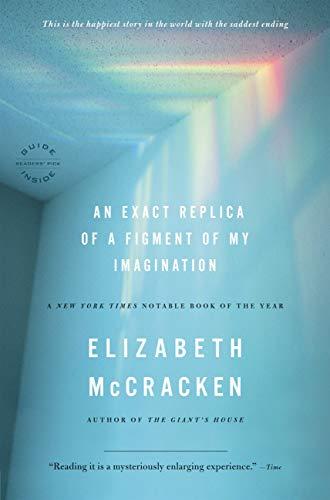
An Exact Replica of a Figment of My Imagination by Elizabeth McCracken
Novelist Elizabeth McCracken's first child was stillborn in France, and about a year later her second child was born healthy. This short memoir tells both stories together, and it is tender, sometimes funny, and exact about how people avoided the subject. It is one of the few memoirs of stillbirth by a major novelist. Send it only to a parent who has said they want to read about it, and say in your note that there's no need to open it until they're ready.
No need to open this until you want to. I only wanted you to know I remember Wren, and I'll keep remembering her with you. — Hannah
Best books on grief for anyone grieving
These work for almost any loss, including the ones people don't send flowers for. If what they need is plain comfort rather than a grief book, look at books for a friend.
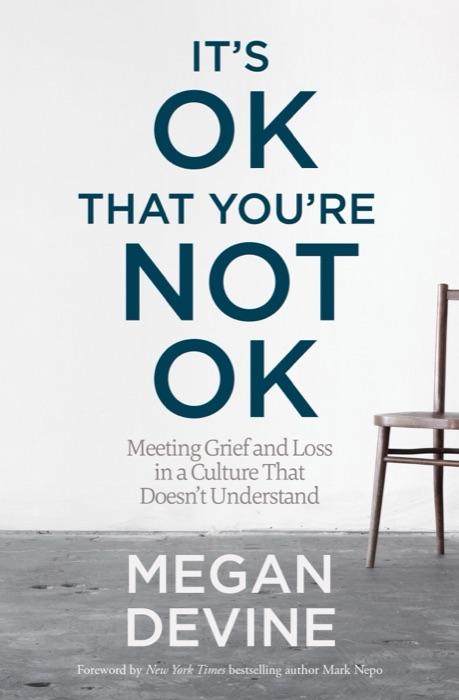
It's OK That You're Not OK by Megan Devine
Megan Devine is a therapist whose partner, Matt, drowned in 2009. Her book is the one grieving people press on each other because it says plainly that grief is something you carry, and not something to be fixed. It covers sleep, anxiety, and the strange way grief scrambles reading and memory, and it has a section on what friends get wrong, which the person can hand to their family. Good for nearly any adult loss, and especially for someone tired of being told to move on.
Nobody needs you to be okay. Least of all me. Read a page or don't. I'm going to keep checking in either way. — Sam
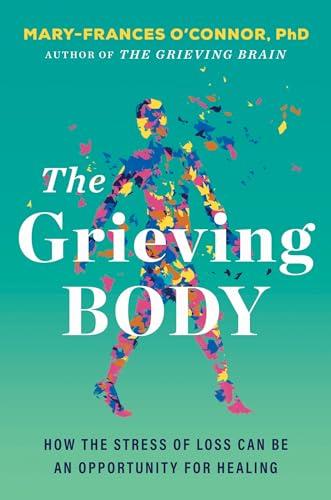
The Grieving Body by Mary-Frances O'Connor
Mary-Frances O'Connor runs the Grief, Loss and Social Stress Lab at the University of Arizona. Her earlier book, The Grieving Brain, covered the mind. This 2025 follow-up (HarperOne) explains what grief does to the body (sleep, blood pressure, stress hormones, immunity) and what helps, and she writes about her own losses, including her mother's death. Publishers Weekly's review calls it wise and lucid. Right for the analytical griever who copes by understanding, and for anyone confused that grief feels so physical.
You said you feel like you have the flu every day. Turns out that's real, and there's a whole book about it. Please also eat something. — Dr. Ana (your college roommate)
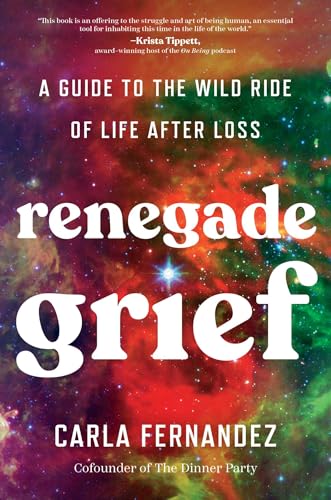
Renegade Grief by Carla Fernandez
Carla Fernandez cofounded The Dinner Party, a peer-support community for people in their 20s and 30s who have lost someone. Her 2025 book (Simon & Schuster) collects what she learned there: rituals, ways to mark anniversaries, how to talk about the person who died, and how to grieve outside the old rules. It's warmer and more practical than a memoir. Good for a younger griever, or anyone who feels their grief doesn't fit the version their family expects.
You don't have to grieve the way anyone else does. Including me. Let's have dinner on her birthday and tell stories. I'll bring the wine she liked. — Jordan
Small books for the first weeks
In early grief, many people can't concentrate long enough to read a chapter. These are short, and can be opened anywhere.
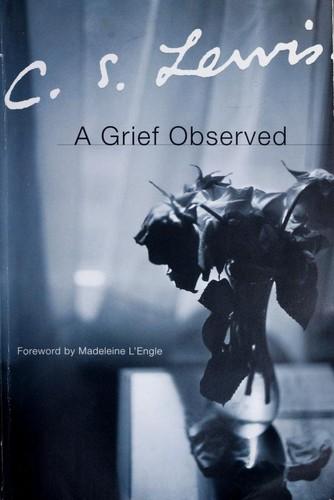
A Grief Observed by C.S. Lewis
C.S. Lewis kept notebooks after his wife, Joy Davidman, died of cancer in 1960, and published them under a pseudonym the next year. It opens with "No one ever told me that grief felt so like fear," and it doesn't get easier from there, which is why it helps. At around 100 pages, it can be read in a sitting or a line at a time. Lewis questions his faith hard, so it suits believers and doubters both.
I don't have the right words, so I'm sending someone who did. Read the first page. That's enough for this week. — Father Michael
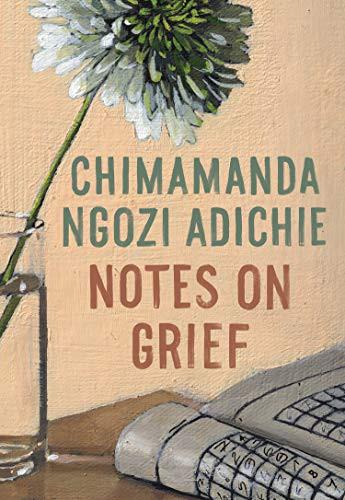
Notes on Grief by Chimamanda Ngozi Adichie
Chimamanda Ngozi Adichie's father died in Nigeria in June 2020, while she was in the US and pandemic travel restrictions kept her from going home. This small hardcover (about 80 pages) grew from her essay in The New Yorker. It's about the rage, the physical shock, and the particular guilt of grieving from far away. A good first book for someone who lost a parent far away, or who couldn't be there at the end.
You couldn't get there in time and you keep apologizing for it. Please stop. He knew. I'm sending love from here. — Ngozi
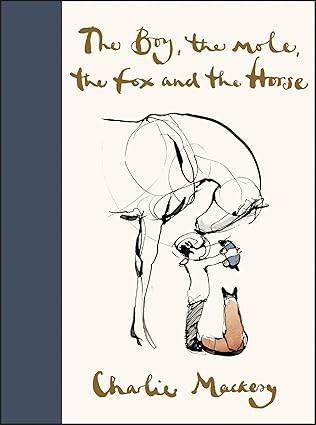
The Boy, the Mole, the Fox and the Horse by Charlie Mackesy
Charlie Mackesy's book of ink drawings and short lines isn't about grief, which is part of why it works when someone can't take another book about grief. A boy, a mole, a fox, and a horse talk about kindness and asking for help ("What is the bravest thing you've ever said?" "Help," said the horse). It takes 10 minutes and can be left open on a kitchen table. Good for anyone who isn't a reader, and for a grieving teenager.
The horse is my favorite. You don't have to read the rest. Just know you can say help to me anytime, and I'll come. — Your neighbor, Rosa
What to write to someone who is grieving (and what never to write)
The note matters more than the book. Keep it short, because a grieving person reads it on a bad day. A good structure has 3 parts: name the person who died, share one specific memory or detail, and offer something real and small.
Use the name. People who are grieving often say the hardest thing is that everyone stops saying it. "I keep thinking about your dad at the lake, teaching every kid on the dock to fish." A detail like that tells them their person is remembered.
Then offer something with a date and a shape, rather than "let me know if you need anything," which puts the work back on them. "I'll call Sunday afternoons for a while. Pick up or don't." "I'm bringing soup on the 14th and leaving it at the door."
What never to write: "everything happens for a reason," "they're in a better place," "God needed another angel," "I know how you feel," and anything that starts with "at least" (at least they're not suffering, at least you had so many years, at least you're young). Each one, however kindly meant, asks the grieving person to feel better before they're ready. Also skip advice, stages, and silver linings.
It's fine to say you don't know what to say. "I don't have the right words. I love you, and I'm not going anywhere" is a complete note.
With Book & a Note, your note (up to 60 words) is handwritten in fountain-pen ink inside the front cover, or printed on a label, and the book arrives boxed, with no receipt or price inside.
Questions people ask
What is a good book to give someone who is grieving?
Megan Devine's It's OK That You're Not OK is the most widely useful book to give someone who is grieving, because it doesn't push them to move on. For a widow or widower, consider Joan Didion's The Year of Magical Thinking. For the loss of a mother, Hope Edelman's Motherless Daughters. In the first weeks, choose something short, like C.S. Lewis's A Grief Observed.
Is a book a good sympathy gift?
A book can be a good sympathy gift for someone who reads, if it's short and comes with a personal note. It's the wrong gift for someone who isn't a reader, or in the first days after a death, when practical help (food, errands, rides) matters more. A book a few weeks later, after the funeral crowd has gone home, often means more.
When should you send a sympathy book?
Sending a sympathy book 2 to 6 weeks after the death is often kinder than sending one in the first days. Early on, the house fills with flowers and visitors and there's no room to read. A few weeks later the attention fades, and a book with a note says you haven't forgotten. Anniversaries and birthdays of the person who died are also good times.
What should you not say to someone who is grieving?
Don't say "everything happens for a reason," "they're in a better place," "I know how you feel," or anything starting with "at least." These phrases ask the grieving person to feel better on your schedule. Instead, say the name of the person who died, share a memory, and make a specific offer, like a call on Sunday or a meal on a set date.
What is the best book about losing a mother?
Motherless Daughters by Hope Edelman is the best-known book about losing a mother, written from interviews with women who lost their mothers and reissued for its 20th anniversary. For a reader who copes with humor, Angela Nissel's 2026 memoir Good Grief, Pass the Bread, Mom Is Dead is funnier and more recent. Chimamanda Ngozi Adichie's Notes on Grief, about her father, is a gentle short option for any parent.
Can I send a grief book with a handwritten note?
Yes. Book & a Note sends any book in print with your note (up to 60 words) handwritten in fountain-pen ink inside the front cover, or printed on a label. It arrives boxed, never in a plastic mailer, with no receipt or price, by free tracked US shipping in 3 to 5 business days. Browse books for the heavy days or find any book.